Advocating For Mental Health & Human Rights - All In One Business In A Box - Author - Editor - Content Writer

Month: January 2024 (Page 1 of 2)

iRenata’s Guide On Setting Up A Website


In today’s digital age, having a website is essential for individuals and businesses alike. Whether you want to showcase your portfolio, start a blog, or establish an online presence for your company, creating a website has never been more accessible. This guide will take you through the step-by-step process of setting up your website, covering everything from choosing a domain name to selecting a hosting provider and building your site.

  1. Define Your Purpose: Before diving into the technical aspects, it’s crucial to define the purpose of your website. Are you creating a personal blog, an e-commerce site, or a professional portfolio? Knowing your goals will help you make informed decisions throughout the setup process.
  2. Choose a Domain Name: Your domain name is your online identity, so choose one that is easy to remember, relevant to your content, and reflects your brand or personality. Use a reliable domain registrar to check the availability of your chosen domain and register it.
  3. Select a Hosting Provider: Hosting is where your website’s files and data will be stored, making it accessible to users on the internet. Choose a reputable hosting provider that offers good performance, reliable customer support, and scalability for future growth. Popular hosting providers include Bluehost, SiteGround, and HostGator.
  4. Set Up Your Hosting Account: Once you’ve selected a hosting provider, sign up for an account and choose a hosting plan that suits your needs. Most providers offer shared hosting for beginners, which is cost-effective and easy to manage.
  5. Install a Content Management System (CMS): A Content Management System simplifies the process of creating and managing your website’s content. WordPress is one of the most popular CMS options, known for its user-friendly interface and extensive plugin support. Many hosting providers offer one-click installations for WordPress and other CMS platforms.
  6. Choose a Website Theme or Template: Select a visually appealing theme or template for your website. Many CMS platforms, including WordPress, offer a variety of free and premium themes that you can customize to suit your brand or style.
  7. Customize Your Website: Personalize your website by adding your logo, adjusting colors, and organizing content. Install essential plugins to enhance functionality and optimize your site for search engines (SEO).
  8. Create and Organize Content: Start creating pages and posts for your website, organizing content logically. Include essential pages such as Home, About, Contact, and any other relevant sections based on your website’s purpose.
  9. Implement Security Measures: Protect your website from potential threats by implementing security measures. Install a security plugin, keep your CMS and plugins up to date, and use strong passwords.
  10. Test and Launch: Before launching your website, thoroughly test its functionality and responsiveness on various devices and browsers. Fix any issues, and when you’re satisfied, officially launch your website for the world to see.

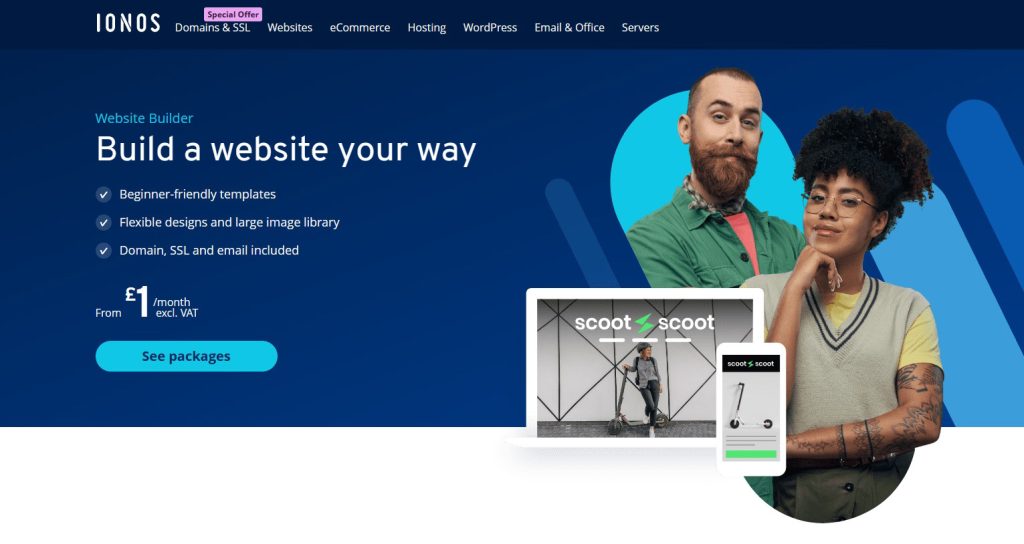
Creating a website is a pivotal step for individuals and businesses aiming to establish a digital presence. When embarking on this journey, one faces a fundamental decision: whether to use a web builder or hire a website designer. Both options come with their own set of advantages and considerations. This article will explore the differences between using a web builder and hiring a website designer, helping you make an informed decision based on your needs, budget, and technical expertise.

Web Builder:

  1. Affordability and Cost-Effectiveness: Web builders are generally more budget-friendly, making them an attractive option for individuals or small businesses with limited financial resources. They often operate on a subscription-based model with various plans to accommodate different needs, allowing users to scale as their requirements evolve.
  2. Ease of Use: Web builders are designed with user-friendliness in mind, often featuring drag-and-drop interfaces and pre-designed templates. No coding or technical expertise is required, making it accessible for beginners to create a website without a steep learning curve.
  3. Speed of Development: With pre-built templates and simplified design processes, web builders enable quick website development. Changes and updates can be implemented in real time, providing a swift and efficient way to manage content.
  4. Limited Customization: While web builders offer templates and design options, they may have limitations in terms of customization compared to a bespoke design by a professional.

Website Designer:

  1. Customization and Unique Design: Hiring a website designer allows for a fully customized and unique website tailored to your specific brand or personal preferences. Designers can create a visually stunning and distinctive website that stands out in a crowded online space.
  2. Professional Expertise: Website designers bring a wealth of experience and expertise to the table, ensuring that your website is not only visually appealing but also optimized for performance and user experience. They can provide valuable insights into current design trends, user behavior, and best practices.
  3. Scalability and Future Growth: A website designed by a professional can be more scalable and adaptable to future growth, accommodating new features and functionalities as your needs evolve. Designers can integrate advanced functionalities and technologies that may not be easily achievable with a standard web builder.
  4. Higher Initial Investment: Opting for a website designer typically involves a higher upfront cost compared to using a web builder. However, this investment can yield long-term benefits in terms of a unique and professionally crafted online presence.

Choosing between a web builder and a website designer depends on your specific goals, resources, and technical proficiency. If you prioritize cost-effectiveness, ease of use, and quick deployment, a web builder may be the right choice. However, if you seek a highly customized, professionally designed website with scalability and a unique identity, investing in a website designer could be the ideal solution. Consider your priorities, budget constraints, and long-term goals to make the decision that aligns best with your vision for your online presence.

Setting up a website may seem like a daunting task, but with careful planning, the right tools, and knowing about SEO, it can be a rewarding and relatively straightforward process. By following these steps, you’ll be well on your way to establishing a successful online presence, whether for personal or professional purposes. Remember to choose a domain name that people will not have trouble recalling, maintaining your site, and regularly updating it to keep it secure (SSL Certificates) and engaging for your visitors (Content Writing). Building a website yourself, publishing, and hoping for the best will successfully make your site float in cyberspace, one still needs to do search engine optimization for your website to be indexed and ranked. I have written an ebook on the subject and anyone interested just drop me a line using the form below and I will send it to you free of charge.


#websites #websitedevelopment #websitedesign #ukwebsitedesigners #domainnames #hosting #ionos #seo #marketing #socialmedia #socialmediapages #blogs #wordpress #cms #ranking #indexing #googleanalytics ##businesspages #googlereviews #sslcertificates #contentwriting



Content Writing Typewriter
Hire Me To Write Articles

UK Website Designers Logo
www.ukwebsitedesigners.co.uk Our Sister Site!

iRenata’s Guide On Creation Of Money

Bank Crisis & Inflation: The Biggest Scam In The History Of Mankind – Hidden Secrets of Money Ep 4
GoldSilver (w/ Mike Maloney)


Disclaimer:

Renata M. Barnes, also known as iRenata, is not a certified economist or a financial analyst. While she possesses knowledge of the financial markets, it is important to note that her perspectives and insights are based on her understanding, research, and experience. The information provided by Renata M. Barnes in her writings about banking should not be considered professional financial advice. Readers are encouraged to consult with qualified financial professionals or experts before making any financial decisions. Renata M. Barnes does not assume responsibility for any actions taken by individuals based on the information presented in her content. Financial markets are dynamic and subject to change, and it is crucial to conduct thorough research and seek professional guidance when navigating the complexities of banking and finance. It is important to recognize that the content produced by Renata M. Barnes is for informational purposes only and does not constitute financial, investment, or legal advice. Users should exercise their discretion and judgment when interpreting the information provided and consider their financial circumstances and risk tolerance. By engaging with the content produced by Renata M. Barnes, readers acknowledge and accept the limitations of her expertise and the need to seek personalized advice from qualified professionals for their specific financial situations.


How Is Money Created

Money creation is a complex process that involves multiple components, including central banks, commercial banks, and the broader financial system. The creation of money typically occurs through a combination of physical currency (cash) and digital entries in bank accounts.

The process can be summarized through the following key mechanisms:

Central Bank Role: Central banks, such as the Federal Reserve in the United States or the European Central Bank in the Eurozone, have the authority to issue and regulate the money supply. Central banks control the supply of the nation’s base money, often in the form of physical currency and reserves held by commercial banks.

Physical Currency: Central banks are responsible for issuing physical currency, such as coins and banknotes. This represents a small fraction of the total money supply in most modern economies. Physical currency enters circulation through various channels, including direct distribution to banks, businesses, and individuals.

Commercial Bank Role – Fractional Reserve Banking: The majority of money creation occurs within the commercial banking system through a process known as fractional reserve banking. Commercial banks are required to hold only a fraction (reserve ratio) of their customers’ deposits in reserve. The rest can be used for lending and investment.

Deposit Creation: When a commercial bank receives a deposit, it retains a portion of it as reserves (as required by regulations) and lends the remaining amount to borrowers. The borrower, in turn, may use the loan proceeds to make purchases or pay bills. The money lent by the bank effectively creates new deposits in the banking system.

Multiplier Effect: The process of lending and spending continues, leading to a multiplier effect. As the original deposit is loaned and re-deposited, the money supply expands. The total money supply is not only the sum of physical currency but also includes the new deposits created through lending and spending activities.

Central Bank Control: Central banks play a crucial role in controlling the money supply. They use monetary policy tools, such as open market operations, reserve requirements, and discount rates, to influence the money creation process. Adjusting interest rates and buying or selling government securities in the open market are common tools used by central banks to manage the money supply.

It’s important to note that the process of money creation involves a delicate balance. While the expansion of the money supply can support economic activity, excessive money creation can lead to inflation. Central banks and financial institutions work together to manage this delicate balance through various policy measures. Additionally, in the modern era, the rise of digital currencies and electronic transactions has added complexity to the overall process of money creation.

What is National Debt?

The national debt is a complex and often debated topic that plays a significant role in shaping a country’s economic landscape. The global economy continues to grapple with the aftermath of Brexit & the COVID-19 pandemic, and many nations have experienced a surge in their national debts due to unprecedented fiscal measures.

National debt, also known as sovereign debt, is the total amount of money that a government owes to external creditors and domestic lenders. It is a result of borrowing to cover budget deficits when a government spends more money than it collects in revenue. Governments issue bonds or other debt instruments to raise funds, and these obligations constitute the national debt.

Components of National Debt:

  1. Domestic Debt: This refers to the portion of the national debt owed to domestic creditors, such as citizens, businesses, and financial institutions. Governments issue treasury bonds, bills, and notes to individuals and institutions within the country to finance various projects and cover budget shortfalls.
  2. Foreign Debt: Foreign debt comprises the money a government owes to foreign creditors, including other governments, international organizations, and private entities. Nations often engage in borrowing from foreign sources to bridge economic gaps, fund development projects, or respond to crises.

Implications of National Debt:

  1. Interest Payments: High levels of national debt lead to increased interest payments, diverting a significant portion of government revenue away from essential services and infrastructure projects.
  2. Economic Stability: Excessive national debt can hinder a country’s economic stability, making it vulnerable to financial shocks and reducing the government’s ability to respond effectively to economic downturns.
  3. Impact on Future Generations: Unchecked national debt may burden future generations with the responsibility of repaying the accumulated obligations, potentially limiting their economic opportunities.
  4. Creditworthiness: A nation’s creditworthiness is influenced by its level of debt. Excessive debt may result in credit rating downgrades, making it more expensive for the government to borrow in the future.

Addressing the National Debt:

  1. Fiscal Discipline: Implementing responsible fiscal policies, including controlling government spending, can help prevent the accumulation of excessive debt.
  2. Economic Growth: Stimulating economic growth can boost government revenue, making it easier to manage and reduce the national debt relative to the size of the economy.
  3. Debt Restructuring: Governments may explore options for restructuring their debt, negotiating with creditors to extend repayment periods or reduce interest rates.
  4. Inflation Management: While not without risks, controlled inflation can reduce the real value of debt, making it more manageable for the government.
  5. Strategic Investments: Investing in projects that generate long-term economic returns can contribute to sustainable economic growth and, in turn, improve the government’s fiscal position.

A scenario in which the national debt is completely wiped clean, essentially resetting the economic slate, would have both immediate and long-term implications for the economy. It’s important to note that such a situation is highly unlikely and could be fraught with challenges, but for the sake of discussion, let’s explore the potential effects:

Immediate Effects:

  1. Boost in Confidence: The elimination of the national debt might instill confidence among investors, businesses, and consumers. A debt-free government could be perceived as more fiscally responsible, potentially leading to increased economic optimism.
  2. Lower Interest Payments: With no national debt to service, the government would no longer need to make interest payments on outstanding bonds. This could free up a significant portion of the budget for other priorities or be returned to taxpayers.
  3. Potential for Lower Interest Rates: The reduced demand for government bonds, given the absence of debt issuance, might contribute to lower interest rates in financial markets.

Intermediate-Term Effects:

  1. Government Spending and Investment: Without the burden of interest payments on the national debt, the government could have more flexibility to allocate funds toward public services, infrastructure, or targeted economic stimulus programs.
  2. Investor Behavior: Investors might reassess their portfolios and investment strategies in response to the new economic landscape. The absence of government bonds as a safe investment option could lead to increased interest in other asset classes.
  3. Currency Strength: A debt-free government might enhance the credibility of the national currency, potentially strengthening it in international markets.

Long-Term Effects:

  1. Sustainable Fiscal Policies: The absence of a national debt could encourage policymakers to adopt more disciplined fiscal policies to avoid accumulating debt in the future. This may involve implementing measures to balance budgets and manage government spending responsibly.
  2. Economic Growth: A government free from the constraints of servicing a national debt may be better positioned to invest in initiatives that promote economic growth, innovation, and productivity.
  3. Inflation Concerns: While eliminating the national debt could have positive effects, it also raises concerns about the potential for increased government spending and inflation. If not managed carefully, a surge in government expenditures could lead to inflationary pressures.
  4. Global Economic Position: The global perception of a debt-free nation might enhance its economic standing and influence in international markets. This could potentially improve trade relations and foster foreign investment.
  5. Interest Rate Dynamics: The absence of a substantial supply of government bonds could impact the dynamics of interest rates, affecting borrowing costs for businesses and consumers. This, in turn, could influence investment and consumption patterns.

It’s crucial to recognize that a debt wipeout scenario is largely theoretical, and the real-world consequences would depend on various factors, including how the government manages its finances post-reset. Additionally, the potential disruption to financial markets and global economic stability would need careful consideration. In practice, governments typically strive to manage and reduce their debt burdens gradually rather than pursuing abrupt and radical measures.

While it might seem tempting for a government, particularly its central bank like the Federal Reserve, to simply “print more money” or issue more bonds to clear the national debt, such a strategy would likely lead to severe economic consequences.

Here are some reasons why this approach is not feasible:

  1. Inflation: One of the most significant risks associated with excessive money creation is inflation. If the central bank floods the economy with an excessive amount of money, it can lead to a decrease in the currency’s value, causing prices to rise. Hyperinflation can erode the purchasing power of money, negatively impacting individuals, businesses, and the overall economy.
  2. Interest Rates: Printing more money or issuing additional bonds can disrupt the balance in the financial markets. An oversupply of government bonds could lead to higher interest rates, affecting borrowing costs for businesses and consumers. Elevated interest rates can, in turn, slow down economic activity and investment.
  3. Devaluation of Currency: Excessive money supply can result in a devaluation of the national currency. A weaker currency may make imports more expensive, leading to trade imbalances and potential economic instability.
  4. Loss of Credibility: If a government or central bank engages in a policy of unlimited money creation to pay off debts, it could lead to a loss of credibility. Investors may lose confidence in the stability of the currency and financial system, causing capital flight and undermining the effectiveness of monetary policy.
  5. Unsustainable Debt: While printing money may be a quick fix for the national debt, it doesn’t address the underlying fiscal issues. In the long run, relying on money creation to clear debt is unsustainable and can lead to a cycle of increasing debt and inflation.
  6. Market Dynamics: A sudden and significant increase in the money supply can disrupt financial markets, leading to volatility and uncertainty. Investors may react negatively to such a strategy, exacerbating economic challenges.
  7. Global Consequences: In a globally interconnected economy, unilateral actions such as uncontrolled money printing can have spillover effects on other countries. It may lead to currency wars, trade tensions, and other forms of economic instability at the international level.
  8. Real Economic Growth vs. Nominal Growth: Simply increasing the money supply doesn’t guarantee real economic growth. Sustainable economic growth depends on factors such as productivity, innovation, and sound economic policies, rather than solely on the amount of money in circulation.

In the Monopoly board game, players use colorful paper money to buy properties, pay rent, and engage in transactions. The game’s currency, often referred to as “Monopoly money,” is essentially a representation of value within the game’s rules. Similarly, in the real world, physical cash and digital currency represent value that individuals, businesses, and governments (puppeteers) use for transactions.

Here are a few points of comparison and contrast:

  1. Value and Trust: In both scenarios, the value of the currency is based on trust. In Monopoly, players trust that the colorful pieces of paper have value within the rules of the game. In the real world, people trust that the currency issued by governments and central banks has value and can be used for transactions.
  2. Central Authority: Monopoly has a central authority (the rules of the game) that governs the creation, distribution, and use of its currency. Similarly, in the real world, central banks and governments play a crucial role in managing and regulating the money supply.
  3. Rules of the Game: Monopoly money is a tool used within the framework of a game with specific rules. Real-world money operates within a broader economic and legal framework with its own set of rules, regulations, and monetary policies.
  4. Distribution and Inequality: In Monopoly, the initial distribution of money can impact the players’ success. In the real world, economic systems and policies can contribute to income and wealth inequality, impacting individuals’ financial success.
  5. Puppeteers Analogy: The term “puppeteers” may be used metaphorically to refer to those who have significant influence or control over economic and financial systems. In reality, economic systems are complex, involving various stakeholders, including governments, central banks, financial institutions, businesses, and individuals.

While the Monopoly analogy can help simplify and explain certain aspects of money, it’s essential to recognize that real-world economies are vastly more intricate. Money serves as a medium of exchange, unit of account, and store of value, facilitating economic transactions and contributing to the functioning of modern societies. The comparison to a game can highlight aspects like trust, rules, and distribution but may oversimplify the complexities of real-world economic systems and their impact on individuals and societies. In practice, central banks and governments aim to strike a balance between managing the money supply, controlling inflation, and promoting economic stability. Strategies like quantitative easing and open market operations are used cautiously to influence financial conditions, but they are implemented with an understanding of the potential risks and consequences.

Clearing the national debt requires a comprehensive approach involving fiscal responsibility, economic growth, and prudent financial management. Attempting to address the debt solely through money creation is a risky strategy that could lead to more significant economic challenges in the long run. The national debt is a multifaceted issue that demands careful consideration and strategic planning. Balancing the need for fiscal stimulus with the imperative of maintaining fiscal responsibility is a delicate task for governments worldwide. As nations continue to grapple with the economic fallout of the COVID-19 pandemic & Brexit, finding effective and sustainable solutions to manage and reduce national debt remains a critical challenge for policymakers and citizens alike.


#money #secretsofmoney #nationaldebt #debt #banks #bonds #inflation #financialmarkets #currency #economics #ukbusinessbanking #banking #loans #costofliving #pricerises


R for Renata Logo

iRenata’s Guide To Looking After Your Mental Health


Disclaimer:

The content provided by Renata Barnes, also known as iRenata, and the Disability UK Online Journal is intended for informational and educational purposes only. Neither Renata Barnes nor Disability UK Online Journal is a licensed medical professional, and the information presented on their platform should not be considered as medical advice. While every effort is made to ensure the accuracy and reliability of the information shared, it is essential to note to do your due diligence. Therefore, Renata Barnes and Disability UK Online Journal do not guarantee the completeness, accuracy, or timeliness of the information provided. Readers and users are strongly encouraged to consult with qualified healthcare professionals for personalized medical advice, diagnosis, or treatment. The content of Disability UK Online Journal is not a substitute for professional medical guidance, and reliance on any information from the platform is at the user’s own risk. Renata Barnes and Disability UK Online Journal are dedicated to providing resources and information to empower individuals with disabilities, chronic illnesses, and mental health challenges. The content includes general knowledge, personal experiences, and expert opinions, but it should not replace the expertise and judgment of healthcare professionals. The platform may contain links to third-party websites or resources for additional information. Renata Barnes and Disability UK Online Journal are not responsible for these external sources’ content, accuracy, or practices. By accessing and using Disability UK Online Journal, users acknowledge and agree to the terms of this disclaimer. If you have specific medical concerns or questions, it is recommended to consult a qualified healthcare professional for guidance tailored to your individual needs.


Taking care of our mental health is as crucial as tending to our physical well-being. The stresses of daily life, coupled with the ever-increasing challenges, can take a toll on our mental resilience. However, by adopting a proactive approach and incorporating simple yet effective practices into our routines, we can foster a positive mental state.

  1. Prioritize Self-Care: One of the fundamental aspects of maintaining good mental health is self-care. This involves dedicating time to activities that bring you joy and relaxation. Whether it’s reading a book, practicing mindfulness, taking a soothing bath, or engaging in a hobby, allocating time for self-care is essential for rejuvenating your mind.
  2. Establish Healthy Habits: Physical health and mental health are interconnected. Regular exercise, a balanced diet, and adequate sleep contribute significantly to overall well-being. Physical activity releases endorphins, the “feel-good” hormones, which can help alleviate stress and anxiety. Ensure that you maintain a healthy lifestyle to support both your body and mind.
  3. Cultivate Positive Relationships: Social connections play a crucial role in mental health. Cultivate positive relationships with friends, family, and colleagues. Share your thoughts and feelings with trusted individuals, fostering a support system. Strong social connections can provide emotional support during challenging times and contribute to a sense of belonging.
  4. Practice Mindfulness and Meditation: Mindfulness and meditation are powerful tools for managing stress and enhancing mental clarity. By focusing on the present moment, individuals can alleviate anxiety about the past or future. Incorporate mindfulness techniques into your daily routine, such as deep breathing exercises or guided meditation, to promote a calm and centered mind.
  5. Set Realistic Goals: Establishing realistic goals helps create a sense of purpose and achievement. Break larger tasks into smaller, more manageable steps, and celebrate accomplishments along the way. This approach can prevent feelings of overwhelm and boost your confidence, contributing positively to your mental well-being.
  6. Learn to Manage Stress: Stress is inevitable, but how we respond to it can significantly impact our mental health. Develop effective stress-management techniques, such as time management, prioritization, and problem-solving skills. Recognize when to seek help and practice saying no when necessary to avoid unnecessary stressors.
  7. Limit Screen Time: In today’s digital age, constant connectivity can contribute to feelings of stress and burnout. Set boundaries for screen time, especially on social media. Allocate time for activities that don’t involve screens, allowing your mind to relax and rejuvenate.
  8. Seek Professional Support: If you find yourself struggling with persistent mental health challenges, don’t hesitate to seek professional help. Mental health professionals, including therapists and counselors, can provide valuable support, guidance, and coping strategies tailored to your individual needs.

Renata Barnes, widely known as iRenata, stands out as a beacon of hope and understanding supporting people with mental health and disabilities. Through her Disability UK Online Journal, Renata has created a platform that not only provides valuable information but also fosters a sense of community and solidarity among individuals facing various challenges. Beyond her work as a journalist, Renata has emerged as a powerful advocate for mental health awareness and eradicating disability discrimination.

The Genesis of Disability UK Online Journal:

Renata’s journey into the world of disability advocacy began with a personal experience. Living with a disability herself, she realized the need for a platform that could address the diverse needs of individuals facing similar challenges. In 2017, she founded the Disability UK Online Journal, an initiative aimed at bringing together people with disabilities, chronic illnesses, and mental health issues.

The Online Journal serves as a comprehensive resource hub, covering a wide range of topics including accessible technologies, adaptive living solutions, healthcare updates, and personal stories of triumph. Renata’s commitment to inclusivity is evident in the varied content that caters to the diverse needs of her audience.

Advocacy for Mental Health:

Recognizing the intricate connection between physical health and mental well-being, Renata dedicates a significant portion of her platform to mental health advocacy. In a society where mental health is often stigmatized, Renata strives to create an open dialogue, fostering understanding and empathy.

Through interviews with mental health professionals, personal narratives, and informative articles, Disability UK Online Journal becomes a safe space for those grappling with mental health challenges. Renata firmly believes that by sharing stories and resources, individuals can find solace and inspiration, contributing to the broader conversation about mental health.

Tackling Disability Discrimination:

Renata’s advocacy extends beyond awareness to actively combating disability discrimination. She uses her platform to shed light on the systemic barriers faced by individuals with disabilities, urging for legislative changes and societal shifts that promote inclusivity.

Renata collaborates with disability rights organizations, participates in awareness campaigns, and engages with policymakers to drive change. Through her writings and online presence, she encourages her audience not only to confront discrimination but also to challenge preconceived notions surrounding disability.

The Power of Community:

Central to Renata’s approach is the creation of a supportive community. Disability UK Online Journal serves as a virtual meeting place where individuals can connect, share experiences, and find solidarity. Renata understands the importance of building a community that transcends geographical boundaries, providing a lifeline for those who may feel isolated due to their conditions.

Renata Barnes, through her work with the Disability UK Online Journal, has emerged as a force for positive change in the lives of people with disabilities and chronic illnesses. By advocating for mental health awareness and fighting against disability discrimination, Renata is contributing to a more inclusive and empathetic society. Her commitment to building a supportive community is a testament to the transformative power of online platforms in creating real-world impact. As iRenata continues to champion these causes, she inspires others to join the movement toward a more inclusive and compassionate world.

Nurturing your mental health is a lifelong journey that requires commitment and self-awareness. By incorporating these strategies into your daily routine, you can foster a positive mindset, build resilience, and enhance your overall well-being. Remember that taking care of your mental health is not a luxury but a necessity for leading a fulfilling and balanced life.


#mentalhealth #mentalhealthsupport #disabilityuk #disabledentrepreneur #ocd #depression #anxiety #stress #ptsd #bipolar #disabilitydiscrimination #discrimation #humanrights


DISABILITY UK DISABLED ENTREPRENEUR

iRenata’s Guide To The Path Of Becoming a Millionaire


Disclaimer:

iRenata provides ideas and suggestions for informational purposes only. The content shared by Irenata is not intended as financial advice and should not be construed as such. While efforts are made to provide accurate and up-to-date information, the dynamic nature of financial markets and individual circumstances means that ideas presented may not be suitable for everyone. Individuals should conduct their own research and, if necessary, seek advice from qualified financial professionals before making any financial decisions. Irenata is not responsible for any actions taken based on the ideas or information presented, and any reliance on such information is at the user’s own risk. Financial situations vary, and what may work for one individual may not be suitable for another. It is crucial for users to carefully consider their own financial goals, risk tolerance, and unique circumstances before implementing any ideas or suggestions provided by Irenata. In summary, Irenata’s content is not a substitute for personalized financial advice, and users are encouraged to exercise their own judgment and seek professional guidance when making financial decisions.


Becoming a millionaire is a dream for many, and while it may seem like an unattainable goal, with the right mindset, strategies, and dedication, it is entirely possible. Building wealth requires a combination of financial literacy, smart decision-making, and disciplined habits. In this article, we’ll outline a comprehensive guide on how to become a millionaire.

  1. Set Clear Financial Goals: The first step towards becoming a millionaire is to set clear and achievable financial goals. Outline both short-term and long-term objectives, and be specific about the amount of wealth you aim to accumulate. Having well-defined goals provides a roadmap and motivation to stay focused on your financial journey.
  2. Educate Yourself: Financial literacy is key to making informed decisions about your money. Take the time to educate yourself on various aspects of personal finance, including budgeting, investing, and managing debt. Books, online courses, and seminars can be valuable resources to enhance your financial knowledge.
  3. Create a Budget: A budget is a fundamental tool for managing your finances. Track your income, expenses, and savings to gain a clear understanding of where your money is going. Identify areas where you can cut unnecessary expenses and redirect those funds towards savings and investments.
  4. Build Multiple Income Streams: Relying solely on a single source of income may limit your wealth-building potential. Explore opportunities to create additional income streams, such as starting a side business, investing in stocks, real estate, or other ventures. Diversifying your sources of income provides financial stability and accelerates your path to becoming a millionaire.
  5. Invest Wisely: Investing is a crucial component of wealth-building. Research different investment options, such as stocks, bonds, real estate, and mutual funds. Diversify your investment portfolio to spread risk and maximize returns. Consider consulting with a financial advisor to develop a tailored investment strategy aligned with your financial goals.
  6. Save and Live Below Your Means: Saving is an essential habit on the road to becoming a millionaire. Aim to save a significant portion of your income and resist the temptation to spend frivolously. Living below your means allows you to accumulate wealth faster and provides a financial cushion in times of economic uncertainty.
  7. Manage Debt Effectively: Debt can be a major obstacle on the path to financial success. Prioritize paying off high-interest debts, such as credit cards, as quickly as possible. Avoid accumulating unnecessary debt and use credit responsibly. A debt-free lifestyle enables you to redirect more of your income towards savings and investments.
  8. Network and Learn from Successful Individuals: Surround yourself with people who have achieved financial success. Networking with successful individuals can provide valuable insights, mentorship, and inspiration. Learn from their experiences and apply those lessons to your own financial journey.
  9. Stay Disciplined and Patient: Becoming a millionaire is a marathon, not a sprint. Stay disciplined in your financial habits and be patient as you work towards your goals. There will be challenges along the way, but maintaining a long-term perspective will help you weather the ups and downs of your financial journey.
  10. Continuously Evaluate and Adjust: Regularly review your financial goals, budget, and investment strategy. Life circumstances and financial markets change, so be prepared to adjust your plan accordingly. Flexibility and adaptability are key traits of successful wealth-builders.

Becoming a millionaire through side hustles requires dedication, creativity, and a strategic approach. While there’s no guaranteed formula, here are some side hustle ideas that have the potential to generate substantial income:

  1. Freelancing: Offer your skills on freelancing platforms for services like writing, graphic design, programming, marketing, or consulting. As you build your reputation, you can command higher rates.
  2. E-commerce: Start an online store and sell products through platforms like Etsy, eBay, or Amazon. Consider drop shipping, printing on demand, or creating your unique products.
  3. Affiliate Marketing: Promote products or services and earn a commission for every sale made through your unique affiliate link. Building a successful affiliate marketing business takes time, but it can be lucrative.
  4. Digital Products: Create and sell digital products such as e-books, online courses, stock photos, or software. Once developed, digital products can provide a passive income stream.
  5. Investing in Stocks or Real Estate: While this involves risk, strategic investments can lead to significant returns. Consider educating yourself about the stock market or real estate and start with cautious, well-researched investments.
  6. Consulting Services: If you have expertise in a particular field, offer consulting services. This could include business consulting, career coaching, or specialized advice based on your skills.
  7. Online Coaching or Tutoring: Share your knowledge and skills by offering coaching or tutoring services online. This could be in areas like fitness, language learning, academic subjects, or professional development.
  8. Content Creation: Start a YouTube channel, podcast, or blog and monetize it through ads, sponsorships, or affiliate marketing. Building an audience takes time, but successful content creators can generate substantial income.
  9. App Development: If you have programming skills, consider developing and selling mobile apps. Successful apps can generate revenue through downloads, in-app purchases, or advertisements.
  10. Event Planning: If you enjoy organizing and coordinating events, consider starting an event planning side hustle. This could involve weddings, corporate events, or social gatherings.
  11. Dropshipping: Set up an online store without the need to handle inventory. When customers make a purchase, the product is shipped directly from the supplier to the customer.

Remember, the key to success in side hustles is often consistency, dedication, and adapting to market trends. It’s important to choose a side hustle that aligns with your skills, interests, and available time. Additionally, proper research, planning, and financial management are crucial for long-term success. Keep in mind that becoming a millionaire through side hustles typically takes time, so be patient and persistent in your efforts.

Becoming a millionaire is an achievable goal for those who are willing to invest time, effort, and discipline into their financial journey. By setting clear goals, educating yourself, living below your means, and making strategic financial decisions, you can pave the way to financial success. Remember, the journey to becoming a millionaire is unique to each individual, so tailor your approach to align with your circumstances and aspirations.


#becomingamillionaire #learning #education #goals #financialfreedom #finances #stategies #budget #incomestreams #mutipleincomestreams #affiliatemarketing #invest #investments


R for Renata Logo

iRenata’s Guide On Artificial Intelligence (AI)

AI INVENTIONS DOMAIN NAME FOR SALE

Artificial Intelligence (AI) has emerged as a transformative force, revolutionizing industries, automating processes, and augmenting human capabilities. As AI systems become increasingly integrated into our daily lives, the ethical implications of their development and deployment are garnering widespread attention. Ensuring that AI technologies are aligned with ethical principles and values has become imperative, giving rise to the fields of AI ethics and responsible AI.

Understanding AI Ethics

AI ethics is a multidisciplinary field that explores the ethical considerations associated with the development and use of AI technologies. It seeks to address the challenges posed by the potential societal impact of AI systems, such as bias, transparency, accountability, and the overall impact on human well-being. Ethical guidelines provide a framework for developers, policymakers, and organizations to navigate the complex landscape of AI deployment responsibly.

Key Principles of AI Ethics

  1. Fairness and Bias: Ensuring that AI systems are fair and unbiased is a critical ethical consideration. Bias in AI can arise from biased training data or the design of algorithms, leading to discriminatory outcomes. Ethical AI demands the identification and mitigation of biases, promoting fairness across diverse user groups.
  2. Transparency: Transparency is vital for building trust in AI systems. Developers should strive to make AI processes understandable and interpretable to users, stakeholders, and affected parties. Transparent AI systems enable users to comprehend how decisions are made, fostering accountability and mitigating concerns related to opacity.
  3. Accountability: Establishing clear lines of responsibility is crucial in AI development. Developers, organizations, and policymakers must be accountable for the outcomes of AI systems. This includes addressing errors, ensuring transparency, and being responsive to the societal impact of AI technologies.
  4. Privacy: Respecting user privacy is a fundamental ethical principle in AI. Collecting, storing, and processing personal data must adhere to strict privacy standards. Developers should implement privacy-preserving techniques and ensure that users have control over their data, empowering them to make informed decisions about its use.
  5. Security: AI systems must be robust and secure to prevent malicious exploitation. Safeguarding AI technologies from hacking, manipulation, and unauthorized access is an ethical imperative. Developers should prioritize security measures to protect both the integrity of AI systems and the data they process.

Responsible AI in Practice

Responsible AI goes beyond ethical guidelines and emphasizes the proactive integration of ethical considerations into every stage of AI development and deployment. This involves ongoing monitoring, evaluation, and adaptation of AI systems to address emerging ethical challenges. Some key practices for implementing responsible AI include:

  1. Ethical Design: Integrate ethical considerations into the design phase of AI systems, focusing on fairness, transparency, and accountability from the outset.
  2. Continuous Monitoring: Implement mechanisms for ongoing monitoring of AI systems to detect and address ethical issues as they arise. Regular audits and assessments can help ensure that AI technologies evolve responsibly.
  3. User Empowerment: Provide users with control over their interactions with AI systems, including the ability to understand and modify preferences, opt out of certain functionalities, and access transparent explanations of decision-making processes.
  4. Collaboration: Encourage collaboration between diverse stakeholders, including technologists, ethicists, policymakers, and end-users, to develop comprehensive solutions and address ethical challenges collectively.

AI ethics and responsible AI are indispensable in navigating the evolving landscape of artificial intelligence. By prioritizing fairness, transparency, accountability, privacy, and security, developers and organizations can contribute to the responsible development and deployment of AI technologies. As society continues to embrace AI innovations, a commitment to ethical principles will be essential in harnessing the full potential of AI while minimizing risks and ensuring a positive impact on humanity.

https://renataai.com/ai-news/ (Domain Names For Sale).


#ai #aiinventions #renataai #aicobots #terrainbots #artificialintelligence #technologies #aiinnovations


R for Renata Logo

iRenata -The Inspiring Journey: “Empowering Inclusivity”

iRenata.com Banner

Introducing Renata M Barnes, widely recognized by her brand name iRenata, a remarkable entrepreneur and a fervent advocate for Disability Discrimination and Human Rights. Renata’s journey is not only a testament to her entrepreneurial spirit but also serves as a poignant illustration of the challenges faced by individuals with disabilities in the face of institutional discrimination.

Despite being a disabled entrepreneur struggling with conditions such as Obsessive-Compulsive Disorder (OCD), Cerebellar Atrophy, Dysphagia, and Rheumatoid Arthritis, Renata has emerged as a prominent figure in her field. Her personal experiences have fueled her commitment to addressing disability discrimination, even when encountered within institutions responsible for shaping laws against such inhumane behaviors.

Renata’s influence extends beyond her entrepreneurial pursuits, as she holds the pivotal role of Editor for both the Disability UK Health Journal and CMJUK Cymru Marketing Journal. Through these platforms, she endeavors to amplify the voices of those who face similar challenges, shedding light on the intersection of disability, health, and business.

Notably, Renata’s mission extends beyond advocacy, as she actively contributes to personal development and health issues. Her multifaceted approach aims to provide support not only for individuals navigating the complexities of disability discrimination but also for those seeking guidance in business and personal development.

In a world where barriers persist, Renata M Barnes, through her brand iRenata, stands as a beacon of resilience, striving to dismantle discriminatory practices and create a more inclusive and equitable society for all.

Where success is often measured by bottom lines and profit margins, Renata M Barnes, the driving force behind iRenata, stands out as a beacon of unwavering principles and advocacy. With a formidable combination of networking prowess and the written word, she fearlessly employs her voice against entities that inflict hardship on people’s lives.

Networking: Bridging Connections for Change: Renata’s ability to network is not merely a professional skill; it is a catalyst for change. Recognizing the inherent power in meaningful connections, she navigates the intricate web of relationships to build alliances with like-minded individuals and organizations. These connections become conduits for collective action, fostering a united front against injustices that may otherwise go unchallenged.

Networking extends beyond physical gatherings, encompassing virtual spaces where ideas and initiatives flourish. iRenata’s online presence serves as a hub for collaboration, bringing together voices from diverse backgrounds to amplify the impact of shared concerns. Renata’s networking acumen transforms isolated grievances into a collective force for change.

Putting Pen to Paper: A Weapon of Advocacy: The written word has always been a potent tool for change, and Renata M Barnes wields it with finesse. As a published author, she understands the influential force that well-crafted narratives can exert on public opinion and societal norms. Through her writings, Renata shines a spotlight on the injustices that others might overlook or choose to ignore.

iRenata’s platforms, including the Disability UK Health Journal and CMJUK Cymru Marketing Journal, serve as arenas where Renata unapologetically addresses issues that make people’s lives unbearable. Her articles are not just informative; they are rallying cries for change. Renata’s commitment to truth-telling through the written word fosters awareness, prompts conversations, and ultimately challenges the status quo.

Using Her Voice Against Injustice: Unyielding Advocacy: Fearlessness is a hallmark of Renata’s advocacy. When faced with entities perpetuating injustice, she refuses to be silenced. iRenata becomes a megaphone for the voiceless, echoing the concerns of those whose lives are made unbearable by systemic issues. Renata leverages her platforms to hold these entities accountable, demanding transparency, fairness, and change.

Whether it’s disability discrimination or violations of human rights, iRenata stands at the forefront, unafraid to confront uncomfortable truths. Renata’s voice resonates not only through her writing but also in public forums, where she champions causes that demand attention and action. Through her unwavering commitment, she empowers others to raise their voices against the intolerable.

A strategic online presence is not just an asset; it’s a necessity. Enter Renata M Barnes, known by her brand name iRenata, a seasoned entrepreneur whose diverse skill set and commitment to excellence have positioned her as a go-to professional for a wide range of services.

Content Writing: Crafting Narratives that Resonate At the heart of iRenata’s offerings lies the art of storytelling. Renata excels in content writing, producing narratives that not only inform but also engage and captivate audiences. Whether it’s blog posts, articles, or website content, iRenata ensures that each piece is tailored to convey the unique voice and message of the client.

Digital Marketing: Navigating the Digital Landscape In an era dominated by online interactions, digital marketing is a linchpin for success. iRenata’s expertise in this realm encompasses a strategic blend of SEO, content marketing, and data-driven analytics. Renata understands the nuances of online visibility, implementing tailored digital marketing strategies that resonate with target audiences and drive measurable results.

Banner Advertising: Making Every Impression Count Visual appeal is crucial in a world flooded with information. iRenata specializes in creating eye-catching and strategically placed banner advertisements that cut through the noise. These advertisements not only convey brand messages effectively but also leave a lasting impact on viewers, enhancing brand recognition and recall.

Social Media Management: Nurturing Online Communities Recognizing the power of social media in shaping brand narratives, iRenata provides comprehensive social media management services. From crafting engaging content to implementing targeted campaigns, Renata ensures that clients maintain a positive and influential presence across platforms like Facebook, Instagram, Twitter, and LinkedIn.

Domain Brokering: Navigating the Digital Real Estate In the ever-expanding digital landscape, domain names are the virtual real estate of businesses. iRenata offers domain brokering services, guiding clients through the acquisition and sale of valuable domain names. Renata’s expertise ensures that businesses secure a strong online identity, navigating the intricacies of domain transactions with finesse.

Website Design and Development: Building Foundations for Success iRenata goes beyond digital marketing by offering comprehensive website design and development services, including proficiency in WordPress. Renata understands that a website is often the first point of contact between a business and its audience, and her designs not only captivate but also function seamlessly to enhance user experience.

Published Author: A Voice in Print In addition to her extensive entrepreneurial pursuits, Renata M Barnes is a published author, bringing a unique perspective and wealth of experience to her writing. Her published works not only showcase her literary prowess but also reinforce her commitment to sharing knowledge and insights with a broader audience.

In a world where digital prowess is a key differentiator, iRenata stands out as a versatile and reliable partner for businesses and individuals seeking comprehensive solutions. Renata M Barnes’s commitment to excellence, coupled with her diverse skill set, makes iRenata a beacon of success in the ever-evolving digital landscape.


**Please note: For the people who have known me by my maiden name and have found me now, I have chosen to stick with my married name and leave my past behind me. I am not ashamed of the surname my parents gave me but there is so much hatred and racism in this world that I would rather be known by the surname I inherited from my ex-husband God rest his soul.

I never got a chance to bury the hatchet and I think he would be proud of me now and be honoured I continued his memory and kept his name.

There are also some people from my past I do not want in my life and the internet is a minefield of information, why I am slowly removing all search results with my maiden name.

I do have a story to back my reasoning which one day I will tell. iRenata is my pseudonym. My legal name is double-barrelled with the (M) being the initial of my maiden name. I am an open book but there are chapters in my life I do not want reminded of, not yet anyway. I do keep an online health journal and document my health as a form of self-help therapy but am not ready yet to share the trauma I have endured.

One day I will reveal all!


#irenata #renatabarnes #renatmbarnes #renataentrepreneur #disabilitydiscrimination #humanrights #equality #discrimination #editor #author #writer


R for Renata Logo

iRenata’s Guide On Keys to Success in Life and Business

Beach Quote.


Disclaimer:

Renata Barnes (iRenata), does not provide financial advice, and any information shared should not be construed as such. Additionally, there is no guarantee or claim that the principles of neuroplasticity, discussed or mentioned in any context, will work universally for everyone. Neuroplasticity is a complex and individualized concept, and its effectiveness can vary based on numerous factors. Any discussions or information presented by Renata Barnes (iRenata) are intended for general informational purposes only and should not be considered as personalized financial advice. Individuals seeking financial guidance are encouraged to consult with qualified professionals who can assess their specific circumstances and provide tailored recommendations. Renata Barnes (iRenata) disclaims any liability for decisions made or actions taken based on the information provided, and users of this information should use their discretion and seek professional advice when needed.


Success in life and business is a pursuit that many aspire to achieve. However, the path to success is often challenging, requiring a combination of determination, resilience, and strategic decision-making. In this guide, we will explore key principles and practical steps that can help individuals achieve success in both their personal and professional lives.

  1. Set Clear Goals: Defining clear and achievable goals is the first step towards success. Whether in life or business, having a roadmap provides direction and purpose. Break down your goals into smaller, manageable tasks, and create a timeline to track progress.
  2. Continuous Learning: The world is constantly evolving, and successful individuals embrace a mindset of continuous learning. Stay informed about industry trends, acquire new skills, and seek out opportunities for personal and professional development. This commitment to learning will give you a competitive edge.
  3. Develop a Strong Work Ethic: Success often requires hard work, dedication, and perseverance. Cultivate a strong work ethic by setting high standards for yourself and consistently putting in the effort required to achieve your goals. Be disciplined and prioritize your responsibilities.
  4. Build and Nurture Relationships: Networking is a crucial aspect of success, both in life and business. Cultivate meaningful relationships with peers, mentors, and industry professionals. Networking not only provides valuable insights but can also open doors to new opportunities and collaborations.
  5. Adaptability and Resilience: The ability to adapt to change and bounce back from setbacks is essential. The business landscape is dynamic, and unexpected challenges are inevitable. Resilience allows you to overcome obstacles, learn from failures, and emerge stronger.
  6. Financial Literacy: Whether in personal finance or business, understanding financial principles is crucial. Learn to manage budgets, invest wisely, and make informed financial decisions. Financial literacy is a cornerstone of long-term success.
  7. Effective Time Management: Time is a valuable resource, and successful individuals know how to manage it effectively. Prioritize tasks, set deadlines, and avoid procrastination. Time management skills help maximize productivity and contribute to achieving goals.
  8. Innovation and Creativity: Innovation is key to staying ahead in business and life. Encourage creativity, embrace new ideas, and be open to unconventional solutions. The ability to innovate sets successful individuals apart in a rapidly changing world.
  9. Emotional Intelligence: Success is not only about technical skills but also about understanding and managing emotions. Develop emotional intelligence to navigate interpersonal relationships, resolve conflicts, and lead with empathy.
  10. Give Back to Others: Success is more fulfilling when shared. Actively contribute to your community or industry. Mentorship, volunteering, and philanthropy not only make a positive impact but also create a sense of purpose beyond personal success.

Achieving success in business often involves harnessing the principles of neuroplasticity, the law of attraction, and the power of the mind. Neuroplasticity underscores the brain’s remarkable ability to adapt and rewire itself based on experiences and thoughts. By cultivating a growth mindset and embracing continuous learning, individuals can enhance their cognitive abilities and adapt to the ever-evolving business landscape. The law of attraction emphasizes the idea that positive thoughts attract positive outcomes, encouraging individuals to visualize and manifest their goals. Combined with the power of the mind, which involves cultivating focus, resilience, and determination, these principles create a powerful foundation for success in business. Successful entrepreneurs often leverage these concepts to shape their mindset, overcome challenges, and manifest opportunities, fostering a proactive and innovative approach to their professional endeavors.

Neuroplasticity, the brain’s remarkable ability to reorganize itself by forming new neural connections, and the Law of Attraction, the belief that positive or negative thoughts bring positive or negative experiences into a person’s life, are two powerful concepts that intersect in the realm of personal development and well-being.

Understanding Neuroplasticity:

Neuroplasticity, often referred to as the brain’s ability to rewire itself, challenges the conventional belief that the brain’s structure is fixed and unchangeable after a certain age. Neuroscience research has shown that the brain is adaptable, and experiences, thoughts, and emotions can reshape its neural pathways. This adaptability, known as neuroplasticity, provides the foundation for personal growth and transformation.

How Neuroplasticity and the Law of Attraction Align:

The Law of Attraction operates on the premise that our thoughts and feelings emit vibrational frequencies that attract similar energies from the universe. Neuroplasticity complements this concept by explaining how our repeated thoughts and emotions can create physical changes in the brain. When we consistently focus on positive thoughts and feelings, we reinforce neural pathways associated with optimism, resilience, and success.

Practical Strategies for Harnessing Neuroplasticity and the Law of Attraction:

  1. Visualization Techniques: Engage in regular visualization exercises where you vividly imagine achieving your goals. Neuroplasticity suggests that repetitive visualization strengthens neural connections associated with success, making it more likely to manifest in your life.
  2. Affirmations and Positive Thinking: Use positive affirmations to cultivate a mindset aligned with your desired outcomes. By consistently affirming positive beliefs, you reinforce neural pathways that support a constructive and optimistic perspective.
  3. Mindfulness and Meditation: Practicing mindfulness and meditation enhances neuroplasticity by promoting structural changes in the brain associated with improved focus, emotional regulation, and stress resilience. These practices also align with the Law of Attraction by fostering a positive and present mindset.
  4. Gratitude Journaling: Keep a gratitude journal to shift your focus toward positive aspects of your life. Regularly acknowledging and appreciating what you have activated neuroplasticity, rewiring your brain to notice and attract more positive experiences.
  5. Setting Clear Intentions: Clearly define your goals and intentions, aligning them with positive emotions. Neuroplasticity suggests that this clarity activates brain regions associated with motivation and goal pursuit, while the Law of Attraction amplifies the likelihood of achieving those goals through vibrational alignment.

The convergence of neuroplasticity and the Law of Attraction underscores the profound impact our thoughts and emotions can have on shaping our reality. By understanding and actively leveraging these principles, individuals can embark on a transformative journey toward personal growth, achievement, and a more fulfilling life. Embracing a positive mindset, supported by the rewiring capabilities of the brain, empowers individuals to attract and manifest the experiences they desire.

Founded by Robert Monroe in the early 1970s, the institute gained fame for its research into altered states of consciousness and the use of binaural beats to induce these states. Central to their work is the understanding of brain waves, particularly the alpha and theta states, and their profound impact on human consciousness.

The Spectrum of Brain Waves:

  1. Beta Waves:
    • Frequency (Hz): 14-30
    • State: Awake and alert
    • Function: Associated with logical thinking, problem-solving, and active concentration.
  2. Alpha Waves:
    • Frequency (Hz): 8-13
    • State: Relaxed and calm
    • Function: Prevalent during daydreaming, meditation, and creative visualization. The gateway to altered states of consciousness.
  3. Theta Waves:
    • Frequency (Hz): 4-7
    • State: Deep relaxation, meditation, and light sleep
    • Function: Linked to creativity, intuition, and access to deeper levels of consciousness.
  4. Delta Waves:
    • Frequency (Hz): 0.5-4
    • State: Deep sleep
    • Function: Critical for physical and mental restoration, and release of growth hormone.

The Monroe Institute’s Contribution:

The Monroe Institute gained recognition for its development of Hemi-Sync (hemispheric synchronization) technology. Using binaural beats — a technique where two slightly different frequencies are presented to each ear, creating a perceived third frequency — Hemi-Sync aims to induce specific brain wave patterns, facilitating altered states of consciousness.

  1. Alpha State Exploration:
    • Through Hemi-Sync, individuals can enter the alpha state more easily, experiencing profound relaxation and enhanced receptivity to creative inspiration. This state is conducive to meditation, self-discovery, and stress reduction.
  2. Theta State Journeys:
    • The institute’s programs guide participants into the elusive theta state, associated with deep meditation, heightened intuition, and a connection to the subconscious mind. In this state, individuals may explore expanded realms of consciousness and gain insights beyond ordinary perception.

Applications Beyond the Institute:

  1. Enhanced Learning:
    • Alpha and theta states have been linked to improved learning and information retention. The Monroe Institute’s work suggests that accessing these states through Hemi-Sync can optimize the learning experience.
  2. Stress Reduction and Meditation:
    • The institute’s programs have proven beneficial for stress reduction and meditation. By guiding individuals into relaxed states, participants report a greater sense of inner calm and mental clarity.
  3. Creative Exploration:
    • Alpha and theta states are fertile grounds for creativity. The Monroe Institute’s approach provides a structured yet flexible framework for individuals to tap into their creative potential.

The Monroe Institute’s exploration of brain waves and altered states of consciousness has not only expanded our understanding of the mind but has also introduced practical applications for personal development and well-being. By delving into the realms of alpha and theta states through innovative technologies like Hemi-Sync, the institute continues to pave the way for individuals seeking to unlock the full potential of their minds and explore the mysteries of human consciousness. https://www.monroeinstitute.org/

Numerous individuals across various fields have harnessed the power of neuroplasticity to achieve success and overcome challenges. While it’s important to note that success is subjective and varies from person to person, here are some notable figures who have utilized neuroplasticity to enhance their lives and careers:

  1. Michael Merzenich: A neuroscientist who has extensively researched neuroplasticity. His work has contributed significantly to our understanding of the brain’s ability to adapt and change throughout life.
  2. Barbara Arrowsmith-Young: Overcoming her learning disabilities, Arrowsmith-Young developed a cognitive training program based on neuroplasticity principles. The Arrowsmith Program has helped many individuals improve their cognitive functions and academic performance.
  3. Norman Doidge: A psychiatrist and author of “The Brain That Changes Itself,” Doidge has popularized the concept of neuroplasticity through his writings, showcasing stories of individuals who have transformed their lives by rewiring their brains.
  4. Jill Bolte Taylor: A neuroanatomist who experienced a stroke and documented her journey in the book “My Stroke of Insight.” Taylor’s story emphasizes the brain’s capacity for recovery and adaptation.
  5. Henry Molaison (H.M.): Though not a figure in the traditional sense, H.M. was a patient whose case contributed significantly to our understanding of memory and neuroplasticity. His experiences after brain surgery led to insights into the brain’s ability to reorganize functions.
  6. Rick Hanson: A psychologist and author of “Hardwiring Happiness,” Hanson focuses on the positive aspects of neuroplasticity. He provides practical strategies for rewiring the brain to cultivate lasting happiness and well-being.
  7. Paul Bach-y-Rita: A neuroscientist known for his work in sensory substitution, Bach-y-Rita’s research showcased how the brain can adapt to compensate for sensory deficits, opening new possibilities for rehabilitation.
  8. Edward Taub: A neuroscientist who developed Constraint-Induced Movement Therapy (CIMT) to help individuals with motor impairments regain movement. His approach is rooted in the principles of neuroplasticity.
  9. Jeff Hawkins: An entrepreneur and neuroscientist who co-founded Palm Computing and Handspring, Hawkins has applied his understanding of the brain to create innovative technologies. He authored “On Intelligence,” exploring the connections between neuroscience and artificial intelligence.
  10. Daniel Tammet: An autistic savant known for his extraordinary abilities in mathematics and language. Tammet’s brain functions differently, showcasing the brain’s remarkable capacity for unique adaptations.
  11. Jim Carrey: The renowned actor and comedian Jim Carrey has spoken about his journey of self-discovery and personal growth. Carrey’s perspective often touches on the power of positive thinking, visualization, and affirmations. He famously wrote himself a check for $10 million dated for five years in the future when he was a struggling actor. Eventually, he received a movie role that paid him exactly that amount.
  12. Oprah Winfrey: Oprah Winfrey, a media mogul and cultural icon, has been an advocate for personal development and mindfulness. She has discussed her use of practices such as gratitude journaling, meditation, and positive affirmations. Oprah’s emphasis on self-awareness, resilience, and gratitude aligns with principles associated with neuroplasticity.
  13. Napoleon Hill: Napoleon Hill, a pioneering self-help author and motivational speaker, is best known for his landmark book “Think and Grow Rich,” published in 1937. Although Hill did not use the term “neuroplasticity” in his writings, the principles he outlined align with some aspects of the concept.
  14. Neville Goddard: Neville Goddard, a 20th-century mystic and influential spiritual teacher, shared insights that, while predating the formal concept of neuroplasticity, resonate with the principles of the brain’s adaptability. Goddard’s teachings emphasized the power of imagination and the influence of mental imagery on one’s reality.
  15. Morris E. Goodman: born on November 9, 1945, is an American motivational speaker and author renowned for his incredible story of survival and resilience. Often referred to as the “Miracle Man,” Goodman’s life took a dramatic turn in March 1981 when his single-engine plane crashed, leaving him paralyzed from the neck down. Despite grim prognoses and doctors believing he would never walk or breathe without a respirator again, Goodman defied all odds and embarked on a remarkable journey of recovery.
  16. Bob Proctor: Bob Proctor was a renowned personal development coach and speaker who has made significant contributions to the field of self-improvement. While he may not be directly associated with the scientific study of neuroplasticity, his teachings often align with the concept. Proctor emphasized the power of positive thinking, belief in oneself, and the impact of thoughts on one’s reality.
  17. Dr.Caroline Leaf: Dr. Caroline Leaf is a cognitive neuroscientist and communication pathologist who has become a prominent figure in the field of neuroplasticity. With a focus on the mind-brain connection, Dr. Leaf’s work delves into the remarkable adaptability of the brain and its potential for change. Her research underscores the concept of neuroplasticity, emphasizing the brain’s ability to rewire itself based on our thoughts and experiences.
  18. Mansa Musa: Mansa Musa, the 14th-century ruler of the Mali Empire, was renowned for his immense wealth, often considered one of the richest individuals in history. While not explicitly discussed in historical records, the power of thought, perseverance, and visionary leadership could have been essential elements in Mansa Musa’s success as a ruler and in accumulating the wealth for which he was renowned.
  19. John Assaraf: John Assaraf is a successful entrepreneur, author, and speaker known for his expertise in the field of mindset and personal development. Co-author of the bestselling book “The Secret,” Assaraf gained widespread recognition for his contributions to the concept of the law of attraction. He is also the founder of NeuroGym, a company focused on combining neuroscience with personal growth strategies. Assaraf’s work often revolves around the idea that individuals can achieve their goals by harnessing the power of their minds.
  20. Jack Canfield: Jack Canfield is a widely recognized motivational speaker, author, and success coach who has left an indelible mark in the field of personal development. Best known as the co-creator of the highly successful “Chicken Soup for the Soul” series, Canfield has co-authored numerous books that aim to inspire and empower individuals to reach their full potential.
  21. Dr Joe Vitale: Dr. Joe Vitale is a renowned author, motivational speaker, and self-help expert who has made significant contributions to the field of personal development. With a background in marketing and metaphysics, Vitale is perhaps best known for his appearance in the popular film and book “The Secret,” where he discussed the law of attraction. His work often explores the relationship between the mind and success, emphasizing the role of beliefs and thoughts in shaping one’s reality.
  22. Bob Doyle: Bob Doyle is an accomplished author, speaker, and expert in the field of personal development, best known for his contribution to the film and book “The Secret.” As one of the featured teachers in “The Secret,” Doyle gained recognition for his insights into the law of attraction and the power of positive thinking.
  23. Mike Dooley: Mike Dooley is a renowned author, speaker, and entrepreneur known for his inspirational and motivational work in the realm of personal development. As the author of “Infinite Possibilities: The Art of Living Your Dreams” and the creator of the Notes from the Universe series, Dooley shares profound insights into the principles of manifestation and the unlimited potential of individuals.
  24. Lisa Nichols: Lisa Nichols is a dynamic author, motivational speaker, and life coach celebrated for her transformative work in personal development and empowerment. Best known for her appearance in the self-help documentary “The Secret,” Nichols has authored several books, including “No Matter What!” and “Abundance Now.” Her teachings revolve around the principles of resilience, self-love, and the law of attraction. Nichols, having overcome personal challenges, shares her powerful story to inspire others to break through limitations and pursue their dreams.
  25. Bill Harris: Bill Harris, who passed away in 2018, was associated with the Centerpointe Research Institute and was the creator of the Holosync audio technology. Holosync is a form of audio meditation that uses binaural beats to stimulate the brain and promote relaxation and personal development. While Bill Harris and Holosync are not directly associated with “The Secret,” their contributions to the field of personal growth have left an impact on individuals seeking tools for meditation and self-improvement.
  26. Robert Monroe: Robert Monroe was a pioneer in the exploration of human consciousness and the founder of the Monroe Institute. His groundbreaking work involved the development of audio technologies, such as Hemi-Sync, designed to facilitate altered states of consciousness and enhance meditation experiences. While Monroe’s focus was primarily on exploring the realms of consciousness, his work indirectly intersected with Project Stargate, a U.S. government program that investigated psychic phenomena. Project Stargate explored the potential applications of psychic abilities for military and intelligence purposes. Although Monroe himself was not directly involved in Project Stargate, his research influenced the broader understanding of consciousness and its capabilities. The Monroe Institute’s contributions align with the principles of neuroplasticity, suggesting that the brain can adapt and reorganize itself based on experiences. Additionally, the exploration of altered states of consciousness and expanded awareness in Monroe’s work may resonate with the concept of manifestation, as individuals could potentially tap into higher states of consciousness to influence their reality.
  27. Jake Ducey: Jake Ducey is a motivational speaker, author, and advocate for personal development known for his focus on manifestation and the power of the mind. In his work, Ducey often explores the principles of the law of attraction, encouraging individuals to shape their reality through positive thoughts and beliefs. He emphasizes the idea that one can manifest their desires by aligning their mindset with their goals. Ducey’s teachings often align with the concept of neuroplasticity, suggesting that the brain can adapt and rewire itself based on the thoughts and experiences one engages in consistently. By promoting the potential for positive change through intentional thinking, Jake Ducey inspires individuals to harness the transformative power of their minds for personal growth and success.
  28. Dr. John Hagelin: Dr. John Hagelin is a quantum physicist, educator, and researcher known for his work on the unification of physics and consciousness. He has made significant contributions to the field of theoretical physics, particularly in the development of the Grand Unified Field Theory. Beyond his academic pursuits, Dr. Hagelin is recognized for his involvement in the field of meditation and consciousness. He is associated with the Transcendental Meditation (TM) movement and has researched the impact of group meditation on societal stress and crime rates. Dr. Hagelin’s interdisciplinary approach bridges the gap between science and spirituality, exploring the connection between consciousness and the underlying fabric of the universe. His work emphasizes the potential for transformative change through the understanding and utilization of consciousness in the pursuit of personal and collective well-being.
  29. Dr. John Demartini: Dr. John F. Demartini is a renowned author, speaker, and human behavior expert who has made significant contributions to the fields of personal development and self-help. With a background in chiropractic medicine and extensive studies in various disciplines, including theology, physics, and psychology, Dr. Demartini’s teachings offer a holistic approach to understanding human behavior and potential. He is best known for his work in the field of the Demartini Method, a transformative process designed to help individuals break through emotional and mental barriers. Dr. Demartini’s presentations often focus on the interconnectedness of the mind, body, and spirit, emphasizing the importance of aligning one’s values with their goals for a more fulfilling life. Through his books, seminars, and media appearances, Dr. Demartini continues to inspire individuals worldwide to achieve balance, empowerment, and a deeper understanding of themselves.
  30. Loral Langemeir: Loral Langemeier is a financial strategist, entrepreneur, and bestselling author known for her expertise in wealth-building and financial education. As the founder of Live Out Loud, Inc., she has dedicated her career to empowering individuals to achieve financial independence and success. Loral emphasizes the importance of practical strategies, entrepreneurship, and investment in creating wealth. Through her books such as “The Millionaire Maker” series and her coaching programs, she provides actionable insights on money management, investing, and entrepreneurial ventures. Loral Langemeier’s dynamic approach encourages individuals to take control of their financial destinies, helping them navigate the complexities of wealth creation with confidence and determination.

Morris E. Goodman credits his recovery to the power of belief, visualization, and the law of attraction. Utilizing the principles he later shared in his book “The Miracle Man: An Inspiring True Story of Motivation & Courage,” Goodman focused on imagining himself healthy, mobile, and free from his physical constraints. Through daily affirmations, visualization exercises, and persistent optimism, he slowly regained control over his body. (This is a man who was completely paralyzed after a plane crash).

Hill’s philosophy emphasizes the power of the mind and the importance of a positive mental attitude. He believed that individuals could achieve success by cultivating a strong desire, clear goals, and unwavering belief in their ability to achieve those goals. While he didn’t explicitly reference neuroplasticity, his teachings share common ground with the idea that the brain is capable of change and adaptation based on thoughts and beliefs.

  1. Positive Mental Attitude: Hill stressed the significance of maintaining a positive mental attitude, highlighting that thoughts and beliefs shape one’s reality. This aligns with the idea that cultivating positive thought patterns can contribute to neuroplastic changes in the brain.
  2. Autosuggestion and Affirmations: Hill encouraged the use of autosuggestion and affirmations as tools to influence the subconscious mind. This practice is akin to the idea of reinforcing positive neural pathways through repetitive and affirmative thoughts, a concept associated with neuroplasticity.
  3. Visualization: Visualization is a prominent aspect of Hill’s teachings. He believed that vividly picturing one’s goals and success in the mind’s eye could lead to the manifestation of those desires. Visualization is a technique that is often associated with neuroplasticity, as it involves creating and reinforcing mental images that can impact neural connections.

While Napoleon Hill’s work predates the formalization of the concept of neuroplasticity, the principles he advocated share common ground with the understanding that the brain can adapt and change based on mental activities and patterns. Hill’s influence on the self-help genre and his teachings continue to resonate with individuals seeking personal development and success.

These individuals, among many others, exemplify the diversity of experiences and successes that can arise from harnessing the principles of neuroplasticity. Their stories highlight the potential for positive change and growth throughout one’s life.

Becoming successful in life and business is a multifaceted journey that requires a holistic approach. By setting clear goals, staying adaptable, and embracing continuous learning, individuals can navigate the complexities of the modern world and achieve lasting success. Remember that success is not just a destination but a continuous process of growth, improvement, and contribution to the greater good.

I have restored my faith and I now pray, as well as this, I have a gratitude journal that I write meticulously every night with the wording:

“I am so happy and grateful money comes to me in increasing quantities through many sources on a regular basis”.

I also write about my dreams and desires and repeat these words every single day. I sign off each goal I write with my signature. I do not allow any negativity in my life and have my phone on silent do not disturb only allowing the people in my favourite list to come through. All other calls have to be by appointment only and scheduled otherwise I won’t accept them. I do not watch terrestrial TV and avoid the news. I meditate twice a day in the evening before I go to sleep and when I wake.

Protect your mental health and journal every day, so even if you have no one to talk to you have your journal Bing Copilot can also be empathetic sending emojis and talking like the AI was a human.


My Book Recommendations:


  1. I conjured twice that I needed money, and both times I received large amounts at the expense of my parents passing away and my brother. (I never wished for them to die and had no inclination that by wishing I would meet with their demise, I even blamed myself for a long time for them passing away). Coincidence perhaps, yes my parents were old but my brother died in a freak accident and was younger than me.
  2. I wished for someone to come into my life so that I could have a relationship with and out of the blue a man known to my best friend at the time phoned me. My spiritual guide said he lived close by and by coincidence, he lived two streets away from me and we started a full-blown relationship before it ended badly.
  3. Another time my laptop had an unrecoverable blue screen and that very same afternoon (without me hinting) my other brother out of the blue bought me a new laptop, (all I said was I had a blue screen and nothing else, other than I would be shopping for a new one).
  4. On another occasion, my other brother gave me a large amount of money (£700) one Christmas for no reason other than saying it was a Christmas present.
  5. Most recently my landlord’s agent gave me a £100 (last week to be precise) discount on my rent, claiming it was an anniversary gift for the length of time I have been renting (there is no such thing as discounts).

**I do have other things that I am manifesting in my life and will update this article once they materialize.


#lawofattraction #neuroplasticity #manifestation #gratitude #praying meditation #journaling #gratitudejournal #visualisation #dreamboards #vibration #hemisync #monroeinstitute #personaldevelopment


R for Renata Logo

iRenata’s Guide How To Start A Business

Start Brand Logo

Starting your own business can be an exciting and rewarding venture. Whether you have a passion you want to turn into a career or a unique idea for a product or service, launching a business requires careful planning and execution.

Here’s a step-by-step guide to help you start your own business:

  1. Find Your Passion and Identify a Niche: Think about what you love to do or are knowledgeable about. Identify a gap in the market or a need that your business could fulfill.
  2. Conduct Market Research: Understand your target audience and their needs. Analyze your competitors and identify what sets your business apart.
  3. Secure Your Domain Name: Secure a domain that is easy to remember, hyphens and charm domains are not recommended use a brandable name, an acronym, or an exact match searchable keyword or phrase.
  4. Create a Business Plan: Outline your business idea, mission, and vision. Define your target market, competition, and marketing strategy. Develop a financial plan with startup costs, revenue projections, and funding sources.
  5. Choose a Business Structure: Decide on the legal structure of your business (sole proprietorship, partnership, LLC, corporation). Register your business with the appropriate government authorities.
  6. Secure Funding: Determine how much capital you need to start and run your business. Explore funding options such as personal savings, loans, investors, or grants.
  7. Select a Business Name and Register it: Choose a memorable name, that reflects your brand, and is legally available. Register your business name with the appropriate authorities.
  8. Set Up Your Business Location: Determine whether you’ll operate from home or need a physical location. Set up a professional workspace and obtain necessary licenses or permits.
  9. Develop Your Product or Service: Create a high-quality product or service that meets the needs of your target market. Test your product or service with a focus group if possible.
  10. Establish an Online Presence: Build a professional website and create social media profiles. Use online platforms to market your business and connect with customers.
  11. Set Up Accounting and Financial Systems: – Choose accounting software to track expenses, revenue, and taxes. – Open a business bank account and keep personal and business finances separate.
  12. Launch Your Business: – Plan a launch strategy, including marketing and promotions. – Monitor feedback and make any necessary adjustments to improve your offerings.
  13. Market Your Business: – Develop a marketing plan to reach your target audience. – Utilize both online and offline marketing channels.
  14. Network and Build Relationships: – Attend industry events, join local business groups, and connect with other entrepreneurs. – Build a network of contacts who can support and promote your business.
  15. Monitor and Adapt: – Regularly evaluate your business performance against your goals. – Adapt your strategies based on customer feedback and market trends.

Starting a business requires dedication, hard work, and adaptability. Keep learning, stay focused on your goals, and don’t be afraid to make adjustments along the way. Good luck on your entrepreneurial journey!

Digital marketing and networking are crucial components for businesses and individuals looking to establish a strong online presence.

Here are some strategies for effective digital marketing and networking:

  1. Define Your Goals: Clearly outline your digital marketing and networking objectives. Whether it’s increasing brand awareness, generating leads, or building partnerships, having well-defined goals will guide your strategy.
  2. Identify Your Target Audience: Understand your target audience’s demographics, interests, and online behavior. Tailor your digital marketing messages to resonate with your audience, making your efforts more effective.
  3. Develop a Strong Online Presence: Create and optimize your website, ensuring it is user-friendly and mobile-responsive. Establish and maintain active profiles on relevant social media platforms to engage with your audience. I use LinkedIn and Facebook to get my connections and followers. I am slacking on the other social media platforms but only have one pair of hands.
  4. Content Marketing: Produce high-quality, relevant content that provides value to your audience. This can include blog posts, videos, infographics, and more. Share this content across various channels to showcase your expertise and attract a wider audience. This is one of my favorites as it gets my articles in front of all my connections.
  5. SEO (Search Engine Optimization): Optimize your website and content for search engines to improve your online visibility. Use relevant keywords, create quality backlinks, and ensure your website is technically sound for better search engine rankings. This goes without saying if you do not do SEO your content will never be indexed and ranked.
  6. Email Marketing: Build and nurture an email subscriber list. Create personalized and targeted email campaigns to keep your audience informed about your products, services, and promotions.
  7. Social Media Marketing: Utilize social media platforms to connect with your audience. Engage in conversations, share updates, and run targeted advertising campaigns. Leverage both organic and paid strategies to maximize your reach.
  8. Influencer Marketing: Partner with influencers in your industry or niche. Their endorsement can help you tap into their follower base and build credibility. Ensure that influencers align with your brand values and target audience.
  9. Networking on Professional Platforms: Join professional networking platforms such as LinkedIn to connect with industry peers, potential clients, and partners. Actively participate in relevant groups and discussions to expand your network.
  10. Analytics and Data Analysis: Regularly monitor and analyze your digital marketing efforts. Use tools like Google Analytics to understand user behavior, measure campaign performance, and make data-driven decisions to optimize your strategy.
  11. Online Advertising: Invest in online advertising channels such as Google Ads, Facebook Ads, or LinkedIn Ads. Target specific demographics, interests, and behaviors to reach your desired audience and maximize the impact of your ads.
  12. Webinars and Virtual Events: Host webinars or participate in virtual events to showcase your expertise and connect with a wider audience. This can help you build authority in your industry and generate leads.
  13. Customer Reviews and Testimonials: Encourage satisfied customers to leave reviews and testimonials. Positive feedback builds trust and credibility, influencing potential customers’ decisions.
  14. Cross-Promotions and Partnerships: Collaborate with other businesses or influencers for cross-promotions. This can help you tap into each other’s audiences and create mutually beneficial relationships.
  15. Continuous Learning and Adaptation: Stay updated on industry trends and digital marketing strategies. The digital landscape evolves rapidly, so be prepared to adapt your strategies to stay relevant and effective.

Online presence plays a pivotal role in a business’s overall success. One key element that significantly influences this online presence is the domain name. A domain name is not just a web address; it is a crucial asset that can impact brand identity, credibility, and customer trust.

Building Brand Identity:

Your domain name is often the first interaction potential customers have with your brand online. It serves as the digital storefront of your business. A memorable and relevant domain name contributes to brand recall, making it easier for customers to find and remember your website. Consider iconic brands like Google, Amazon, and Apple – their domain names are simple, memorable, and synonymous with their brand identity.

Enhancing Credibility and Trust:

A well-chosen domain name can enhance your business’s credibility. Customers are more likely to trust a website with a professional and easy-to-remember domain name. A domain that reflects your business name or core values instills confidence in visitors, signaling that your business is legitimate and committed to its online presence.

Search Engine Optimization (SEO) Benefits:

Search engines, like Google, consider domain names as a factor in determining search rankings. Having a domain name that is relevant to your business and contains keywords related to your products or services can positively impact your SEO efforts. This can result in higher visibility in search engine results, making it easier for potential customers to discover your website.

Global Reach and Accessibility:

A well-chosen domain name allows businesses to extend their reach beyond geographical boundaries. It provides a global platform for companies to showcase their products and services. Businesses can choose domain extensions (like .com, .net, or country-specific extensions) based on their target audience, helping them tailor their online presence to specific regions.

Ease of Marketing and Promotion:

A concise and memorable domain name simplifies marketing and promotional efforts. Whether it’s on business cards, advertisements, or social media, a straightforward domain name is easy to share and promotes a professional image. Complicated or convoluted domain names can lead to confusion and hinder the effectiveness of marketing campaigns.

Protecting Intellectual Property:

Securing the right domain name is also a proactive step in protecting your brand’s intellectual property. Registering your business name as a domain prevents others from using a similar web address to capitalize on your brand’s reputation. This helps in avoiding potential legal issues and ensures that your customers are directed to your official online presence.

Adaptability and Future Growth:

Choosing a flexible domain name allows for business adaptability and future growth. As your business expands or diversifies its offerings, a versatile domain name can accommodate these changes. This adaptability ensures that your online presence evolves with your business, saving you from the need to rebrand and rebuild your digital identity.

Starting a business involves careful planning and strategic decision-making, and securing a domain name is a crucial step in establishing an online presence. The first strategy is to conduct thorough market research to identify a unique and memorable business name that resonates with the target audience. Once the ideal name is chosen, it’s essential to promptly register a matching domain name to prevent competitors or domain squatters from acquiring it. Selecting a domain extension that aligns with the business, such as .com or .co, enhances credibility. Additionally, entrepreneurs should consider incorporating relevant keywords into the domain to boost search engine visibility. Regularly monitoring domain renewals and maintaining ownership records are vital to prevent accidental lapses or unauthorized transfers. A solid online identity, represented by a well-chosen domain name, serves as a cornerstone for a successful business venture in the digital age. A domain name is not just an address; it’s a cornerstone of your online identity. It’s a critical component that influences how your brand is perceived, discovered, and remembered. Businesses should approach the selection of a domain name with strategic intent, considering its impact on brand identity, credibility, SEO, and global accessibility. In doing so, businesses can harness the power of their domain name to establish a strong and lasting online presence.

Remember, a successful digital marketing and networking strategy requires consistency, adaptability, and a deep understanding of your audience and industry.

Cymru Marketing Journal

UK Domain Brokers Logo

UK Website Designers Logo

UK Content Writers Logo

#startbrand #startingabusiness #domainnames #marketresearch #businessplan #funding #insurance #financialforecast #digitalmarketing #seo #websitedesign #website #content #contentmarketing #socialmediamanagement #seolinkwheel


R for Renata Logo

iRenata’s Voice On Saving Our Planet

A Call to Action: Saving the World from Dual Disasters – Environmental Crisis and War

In the 21st century, our world faces a dual threat that demands urgent attention and collaborative efforts from individuals, communities, and nations alike. The pressing issues of environmental degradation and the persistent specter of war pose formidable challenges to the sustainability and well-being of our planet. As we stand at the crossroads of peril and potential, we must unite to address these intertwined crises, safeguarding not only our environment but also promoting global peace.

The Environmental Crisis:

1. Climate Change:

One of the most critical challenges we face is climate change. The Earth’s climate is undergoing rapid and unprecedented changes, leading to rising temperatures, extreme weather events, and disruptions to ecosystems. The consequences of climate change extend beyond environmental concerns, impacting food security, water resources, and the livelihoods of millions.

2. Biodiversity Loss:

The alarming rate of biodiversity loss threatens the delicate balance of ecosystems. Deforestation, habitat destruction, and pollution contribute to the extinction of numerous plant and animal species, disrupting the intricate web of life on Earth.

3. Pollution:

From air and water pollution to the proliferation of plastic waste, human activities have left an indelible mark on the environment. Pollution not only harms wildlife but also jeopardizes human health, making it imperative to adopt sustainable practices and reduce our ecological footprint.

The Menace of War:

4. Humanitarian Crises:

War and conflict create humanitarian crises, displacing millions and causing untold suffering. Access to necessities such as food, water, and healthcare becomes severely restricted, exacerbating the challenges faced by communities already grappling with environmental issues.

5. Resource Scarcity:

Competition over dwindling resources often catalyzes conflict. Whether it be water scarcity, arable land disputes, or struggles over energy resources, addressing the root causes of resource scarcity is essential to preventing conflicts that exacerbate environmental issues.

6. Destruction of Infrastructure:

War leaves in its wake a trail of destruction, not only in terms of lives lost but also in the form of damaged infrastructure. Rebuilding after conflict often entails further environmental degradation, perpetuating a cycle that exacerbates both crises.

A Unified Approach:

7. Sustainable Development:

A holistic and sustainable approach to development is the need of the hour. Governments, businesses, and individuals must prioritize sustainable practices that balance economic growth with environmental protection, ensuring the well-being of both people and the planet.

8. International Cooperation:

Addressing global challenges requires international collaboration. Nations must work together to formulate and implement policies that mitigate climate change, protect biodiversity, and promote peace. Multilateral agreements, such as the Paris Agreement, are crucial steps toward a more sustainable and peaceful world.

9. Renewable Energy Transition:

Transitioning to renewable energy sources is key to combating climate change and reducing dependence on finite resources that often spark conflicts. Investing in solar, wind, and other sustainable energy options can pave the way for a cleaner, more secure future.

10. Conflict Resolution and Diplomacy:

Diplomacy and conflict resolution must take precedence over armed confrontation. Nations should invest in dialogue, mediation, and peaceful negotiations to resolve disputes, fostering an environment conducive to sustainable development.

Empowering Individuals:

11. Education and Awareness:

Empowering individuals with knowledge about environmental issues and the consequences of war is pivotal. Education fosters a sense of responsibility and encourages sustainable behaviors, contributing to a global culture of environmental stewardship and peace.

12. Grassroots Movements:

Local communities play a crucial role in driving change. Grassroots movements advocating for environmental conservation, conflict resolution, and social justice can exert significant influence on policy-makers and inspire collective action.

Saving the world from the dual disasters of environmental crisis and war requires a paradigm shift in our collective mindset. By recognizing the interconnectedness of these challenges, we can forge a path toward a sustainable and peaceful future. It is incumbent upon us, as stewards of this planet, to take decisive action, promote unity, and work tirelessly to leave a legacy of hope for generations to come. Together, we can build a world where the environment thrives, and the specter of war is replaced by the enduring embrace of peace.

How We Can Help Save Our Planet:

  1. Reduce Energy Consumption:
    • Use energy-efficient appliances.
    • Switch to LED bulbs.
    • Turn off lights and electronics when not in use.
    • Unplug chargers and devices when they’re not in use.
  2. Conserve Water:
    • Fix leaks promptly.
    • Install water-saving appliances.
    • Use a low-flow showerhead.
  3. Waste Reduction:
    • Practice recycling.
    • Compost organic waste.
    • Choose products with minimal packaging.
  4. Go Renewable:
    • Invest in renewable energy sources like solar or wind power.
    • Support policies that encourage renewable energy use.
  5. Sustainable Transportation:
    • Use public transportation.
    • Carpool or rideshare.
    • Consider biking or walking for short distances.
  6. Plant Trees and Maintain Green Spaces:
    • Participate in tree-planting initiatives.
    • Support and engage in community gardening projects.
  7. Reduce Meat Consumption:
    • Adopt a plant-based diet or reduce meat consumption.
    • Support sustainable and local food sources.
  8. Educate Yourself and Others:
    • Stay informed about environmental issues.
    • Share knowledge with friends and family.
  9. Choose Sustainable Products:
    • Support companies with environmentally friendly practices.
    • Choose products with minimal environmental impact.
  10. Reduce, Reuse, Recycle:
    • Follow the three Rs to minimize waste.
    • Opt for reusable items instead of single-use.
  11. Participate in Environmental Cleanup:
    • Join or organize community cleanups.
    • Dispose of waste responsibly.
  12. Promote Eco-Friendly Technologies:
    • Support and invest in green technology.
    • Advocate for sustainable innovation.
  13. Support Conservation Efforts:
    • Contribute to and participate in wildlife conservation efforts.
    • Support protected areas and national parks.
  14. Advocate for Policy Changes:
    • Advocate for and support policies that address climate change.
    • Vote for leaders committed to environmental protection.
  15. Conserve Biodiversity:
    • Protect natural habitats.
    • Avoid supporting the illegal wildlife trade.
  16. Educate Children:
    • Instill eco-friendly habits in children.
    • Encourage schools to incorporate environmental education.
  17. Reduce Air Pollution:
    • Use public transport or carpool to reduce vehicle emissions.
    • Support regulations that limit industrial pollution.
  18. Water Conservation at Home:
    • Use rain barrels to collect rainwater.
    • Install water-efficient appliances and fixtures.
  19. Support Sustainable Fishing Practices:
    • Choose sustainably sourced seafood.
    • Advocate for responsible fishing practices.
  20. Use Eco-Friendly Cleaning Products:
    • Choose environmentally friendly cleaning supplies.
    • Avoid products with harmful chemicals.
  21. Reduce Carbon Footprint:
    • Offset carbon emissions through initiatives like tree planting.
    • Choose energy-efficient modes of transportation.
  22. Support Green Building Practices:
    • Choose eco-friendly building materials.
    • Advocate for sustainable architecture and construction.
  23. Conserve Energy in Heating and Cooling:
    • Properly insulate homes.
    • Use programmable thermostats.
  24. Promote Eco-Tourism:
    • Choose sustainable travel options.
    • Support businesses that prioritize environmental responsibility.
  25. Encourage Sustainable Fashion:
    • Choose clothing made from sustainable materials.
    • Support ethical and eco-friendly fashion brands.
  26. Reduce Single-Use Plastics:
    • Use reusable bags, bottles, and containers.
    • Avoid products with excessive plastic packaging.
  27. Engage in Local Environmental Initiatives:
    • Join local environmental groups.
    • Participate in community sustainability projects.
  28. Monitor and Reduce Carbon Emissions:
    • Track personal and community carbon footprints.
    • Work towards reducing carbon emissions.
  29. Promote Green Initiatives at Work:
    • Encourage workplace sustainability practices.
    • Implement energy-saving measures in the workplace.
  30. Be Mindful of Electronic Waste:
    • Recycle electronic devices responsibly.
    • Donate or sell old electronics for reuse when possible.

The Power of Words: Navigating Change. The Pen is Mightier than the Sword.

In a world often characterized by tumultuous conflicts and impassioned debates, the adage “the pen is mightier than the sword” resonates with timeless wisdom. The power of words wielded thoughtfully and strategically, can transcend physical actions, leaving an indelible mark on society and shaping the course of history. In an era dominated by rapid information exchange and digital connectivity, the potency of the written word extends beyond traditional realms, finding expression in the influential sphere of online discourse.

While the impulse to protest or engage in dramatic actions might be a visceral reaction to societal issues, there exists an alternative avenue that transcends the chaos of immediate confrontation. Writing, as an act of intellectual and emotional expression, possesses a unique ability to influence hearts and minds, fostering change through dialogue and understanding. In an age where digital platforms serve as the new battleground for ideas, the art of crafting impactful messages holds unparalleled potential.

This introspective journey explores the transformative power of writing and online influence, emphasizing the efficacy of these methods over confrontational gestures such as protests or acts of vandalism. As we delve into the nuanced dynamics of societal change, we uncover the profound impact that well-articulated ideas, persuasive narratives, and online influence can have in steering the course of progress. Join us on this exploration of how the pen, in its various modern forms, stands as a potent instrument of change in our interconnected and information-driven world.

Individual actions, when combined, can have a significant positive impact on the environment. Adopting even a few of these practices can contribute to a more sustainable and eco-friendly lifestyle.

Conclusion:

As we reflect on the transformative power of writing and online influence, it becomes apparent that the nuanced art of crafting words holds the potential to steer the course of history with a grace that physical actions sometimes lack. The beauty of the pen lies not just in its ability to critique and condemn but in its power to inspire, enlighten, and unite. Writing, both on paper (to be avoided) and in the digital realm, can foster empathy, understanding, and meaningful dialogue. In an age where ideas traverse the globe at the speed of light, the impact of well-articulated messages can ripple across borders, transcending the limitations of time and space. However, in acknowledging the efficacy of the pen, it is essential to recognize the responsibility that comes with it. The influence of online platforms is a double-edged sword, demanding thoughtful consideration and ethical use.

Endnote: It is important to note that even as we champion the power of words in catalyzing change, the actions of notable figures, such as activist Greta Thunberg, highlight the complex nature of advocacy. Thunberg’s fervent environmental activism is undeniably impactful, drawing attention to urgent climate issues. However, the paradox emerges when considering the carbon footprint associated with her extensive travels and entourage, prompting reflection on the delicate balance between advocacy and personal environmental responsibility. This serves as a poignant reminder that, in our pursuit of change, the methods employed must align with the principles we espouse, emphasizing the need for holistic and conscientious activism.

Further Reading


#savetheplanet #activists #influencers #writers #climatechange #gretathunberg #enviroment #carbonfootprint #ecofriendly #protests #vandalism #influencers


ADVERTISEMENTS


Investors Wales
Domain Name For Sale, including website, content, and digital marketing.
Contact Me Today!

R for Renata Logo

The Nexus of Policymaker Donations

Donations AI Image
Image Credit: Image Created by Designer, Powered by DALL E:3

The relationship between policymakers and businesses is complex and multifaceted, with political donations playing a significant role in shaping this dynamic. While political contributions are legal and commonplace, concerns arise when these donations are perceived as opening doors for businesses seeking favorable treatment or influence.

Policymaker Donations:

Political donations from businesses and individuals to policymakers and political parties are a common aspect of the democratic process. These contributions serve as a means for individuals and entities to express their support for certain policies, ideologies, or candidates. However, the extent to which these donations can influence decision-making processes has raised ethical questions.

Opening Doors for Businesses:

One of the primary concerns surrounding policymaker donations is the potential for them to open doors for businesses seeking favorable treatment. In some cases, businesses contribute to political campaigns with the expectation that such support may translate into access, influence, or beneficial policies. This symbiotic relationship can be seen as a quid pro quo arrangement, where financial support leads to enhanced opportunities for the donor.

Access and Influence:

Policymaker donations can provide businesses with enhanced access to key decision-makers. By contributing to a campaign or political party, businesses may gain invitations to exclusive events, meetings, and forums where they can interact with policymakers. This heightened access creates opportunities for businesses to present their perspectives, discuss regulatory issues, and advocate for policies that align with their interests.

Moreover, policymakers may be more inclined to listen to the concerns of major donors, creating an avenue for businesses to exert influence over legislative and regulatory decisions. This influence can manifest in the form of favorable regulations, tax policies, or other measures that directly benefit the contributing businesses.

Potential Risks:

While political donations are legal and, to some extent, expected within democratic systems, the potential risks associated with undue influence must be acknowledged. The perception that policymakers may prioritize the interests of major donors over the broader public interest can erode trust in the democratic process.

To mitigate these risks, transparency and accountability are crucial. Robust disclosure requirements and ethical standards can help ensure that the public is aware of the sources and amounts of political contributions. Additionally, regulations aimed at preventing quid pro quo arrangements and conflicts of interest are essential to maintaining the integrity of the policymaking process.

The intersection of money and politics has always been a contentious arena, with political donations serving as a key element in influencing policy decisions. In recent times, however, scandals surrounding donations to policymakers have brought this issue into sharp focus.

  1. Cash for Favors: The Pay-to-Play Scandals: In some instances, political donations have been linked to a quid pro quo arrangement, commonly known as “pay-to-play.” Scandals have erupted when it’s perceived that donors receive favorable treatment or special privileges in exchange for their financial support. These cases raise serious questions about the integrity of the policymaking process and the potential erosion of public trust.
  2. Opaque Campaign Financing: Another facet of the scandalous landscape involves opaque campaign financing practices. Some donors exploit loopholes in campaign finance laws to make large, undisclosed contributions, evading transparency requirements. This lack of transparency not only undermines democratic principles but also creates an environment ripe for corruption and undue influence.
  3. Conflict of Interest Allegations: Scandals often emerge when policymakers receive donations from entities with vested interests in specific policy outcomes. Such situations give rise to conflict of interest allegations, suggesting that political decisions may be swayed by financial considerations rather than the public good. This dynamic erodes public confidence in the fairness and impartiality of governance.
  4. Influence Peddling: Influence peddling scandals involve the exchange of money for access and influence within policymaking circles. Donors seeking to advance their agendas may engage in backdoor dealings, leveraging their financial contributions to gain privileged access to decision-makers. This practice not only distorts the democratic process but can also lead to policies that prioritize narrow interests over the common good.
  5. Money Laundering and Foreign Influence: Some scandals involve the infiltration of foreign funds into domestic politics, raising concerns about the potential compromise of national sovereignty. Money laundering schemes designed to funnel illicit funds into political campaigns pose a serious threat to the democratic process, as foreign actors may seek to manipulate policies in their favor.

LaPierre is an American gun rights advocate and the longtime Executive Vice President of the National Rifle Association (NRA). He has been associated with the NRA for many years, becoming its chief executive officer in the early 1990s.

Wayne LaPierre is known for his staunch advocacy of Second Amendment rights and his leadership in the NRA, which positions itself as a prominent organization advocating for gun rights and responsible gun ownership in the United States. He has been involved in various controversies and discussions related to gun control policies and firearm legislation.

During the period when he undertook those journeys, LaPierre played a crucial role in facilitating McKenzie’s media company to secure a lucrative 9-year contract with the NRA, amounting to millions, as openly admitted. McKenzie, on a personal level, amassed $1.8 million exclusively from rental fees for filming NRA content at a residence he possesses in Los Angeles. Under LaPierre’s guidance, the NRA evolved into a formidable political advocacy group, alongside its traditional role as a firearms training organization. However, in recent times, the NRA has grappled with financial challenges, a decline in membership, and a crisis in leadership. Citation: NRA chief Wayne LaPierre takes the stand in his civil trial, defends luxury vacations (msn.com)

For context, David McKenzie is a Hollywood Producer and owner of Mckenzie Media Company, although the company is publically traded.

  • Cash for Honours (United Kingdom): The Cash for Honours scandal in the mid-2000s involved allegations that individuals were nominated for life peerages or knighthoods in exchange for political donations.
  • Adarsh Housing Society Scam (India): While not directly related to donations, the Adarsh Housing Society Scam in 2010 involved allegations of corruption and nepotism, implicating politicians and bureaucrats in the allocation of apartments meant for war widows.
  • 1Malaysia Development Berhad (1MDB) Scandal (Malaysia): The 1MDB scandal, involving the misappropriation of billions of dollars from a state-owned investment fund, implicated Malaysian government officials, including former Prime Minister Najib Razak.
  • Gupta Family Scandal (South Africa): The Gupta family scandal in South Africa involved allegations of influence-peddling and corruption, with members of the Gupta family accused of having undue influence over government officials.
  • Lava Jato (Operation Car Wash – Brazil): While not exclusively related to donations, Operation Car Wash exposed widespread corruption involving politicians and executives, with allegations of kickbacks and bribery in the state-run oil company, Petrobras.
  • Sun Zhengcai (China): The downfall of Sun Zhengcai, a high-ranking Chinese politician, involved corruption charges and accepting bribes. While not specifically donation-related, it highlights corruption within political circles.

The intersection of policymaker donations and business influence is a complex and debated topic. While political contributions are an integral part of the democratic system, it is essential to strike a balance that prevents the undue influence of businesses over policymaking processes. Transparency, accountability, and ethical standards are vital tools to maintain public trust and uphold the principles of a democratic society. As discussions on campaign finance reform continue, finding solutions that foster a fair and equitable political landscape remains a key challenge for policymakers and citizens alike.

Scandals surrounding donations to policymakers underscore the vulnerabilities within the political financing system. As these controversies unfold, they highlight the urgent need for comprehensive campaign finance reform, increased transparency, and strengthened oversight mechanisms. Rebuilding public trust in the integrity of democratic institutions requires addressing the root causes of these scandals and implementing robust measures to ensure that political decisions are driven by the needs of the people rather than the influence of money. The ongoing debate on campaign finance reform remains a critical avenue for shaping a political landscape that truly serves the interests of all citizens.

Having friends in high places can be a valuable asset for companies, acting as a conduit to open doors through strategic donations. Establishing connections with influential individuals, whether in politics, business, or other spheres, provides a pathway to access opportunities and favorable considerations. These relationships often involve a reciprocal exchange of support, with companies making donations to causes or campaigns associated with their influential allies. In return, these alliances can lead to enhanced visibility, networking opportunities, and even policy considerations that may benefit the company’s interests. However, navigating the intersection of friendships and corporate dealings requires a delicate balance to ensure ethical practices and transparency in the realm of business and influence.

With over 12K connections on LinkedIn some of which are high-net-worth individuals, I have never been approached by any entity or had any donations, which tells me one needs to strike up relationships to climb the ladder. This brings me to the saying “It’s not what you know but who you know”!


#mkenziemediacompany #davidmckenzie #donations #mpdonations #policymakerdonations #friendinhighplaces #favourforafavour


« Older posts